A Christmas Typography Embroidery Design: Craft Fair Review
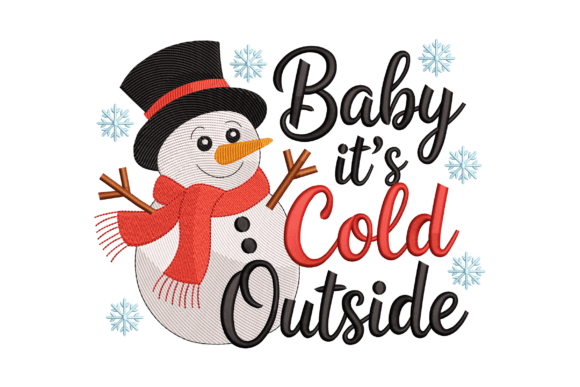
As an embroidery designer, my first task before any craft fair season is to review the potential of my designs in a real-world selling scenario. Christmas Typography, given its name, immediately suggests a focus on words and letters to convey holiday spirit. This isn’t just a festive illustration; it’s text as decoration. The initial impression leans towards being modern, decorative, and potentially versatile—it could be elegant, rustic, or bold depending entirely on the font style and execution implied by the design file itself. In a bustling handmade market, this concept has strong potential because holiday phrases (“Joy,” “Merry & Bright,” “Peace”) are instantly recognizable and emotionally resonant.
Where Christmas Typography Stands Out on Your Booth Table
Imagine your display: a mix of embroidered tote bags, aprons, tea towels, caps, and small gift items. Christmas Typography’s success hinges on placing it on products where the text is both readable and aesthetically integrated. For a quick-glance customer walking past, a clear, well-executed holiday word on a tote bag or market bag acts as a bold statement. It’s easier to grasp than a complex scene. On a kitchen towel or apron, it becomes a charming, functional decoration. As an embroidered patch, it offers flexibility—customers might buy it to apply to their own items. However, its performance varies dramatically by product type.
For pillow covers or more premium handmade gifts, the design needs to feel complete and balanced. A single word might work as a minimal accent, while a full phrase could serve as a focal point. The key is that typography must scale appropriately. On a curved surface like a cap, small, intricate lettering can lose clarity and pose stitching challenges. On a flat, smooth fabric like a tea towel or a fabric pouch, it likely will look crisp and clean.
Practical Production: Making Christmas Typography Sellable
Turning this digital embroidery file into a profitable craft fair product requires practical judgment. First, consider stitch density and small details. Typography, especially with delicate serifs or thin strokes, can have dense stitch areas or tiny details that may not translate well to textured fabrics like certain towels or dark fabrics without excellent thread contrast. You must test this design on scrap fabric first. Use the right stabilizer for the base material—a tea towel needs a different approach than a canvas tote bag.
Check the thread color count. A design with many color changes increases production time, which affects batch production for a fair. If Christmas Typography is simple in color, it becomes more repeatable for creating multiple booth samples. Confirm the effective hoop size. Can the design be stitched small enough for a petite pouch, or does it require a larger hoop to maintain integrity? This determines your product range.
Critical Checkpoints Before Stitching for Sale
- Test the embroidery design on all planned fabric types (canvas, linen, cotton towel fabric) to check for puckering or clarity loss.
- Review spacing between letters; tight spacing on small items can blur.
- Inspect stitch density on dense fabrics like caps; it may need adjustment.
- Create at least one real, physical mockup. A photo of a real embroidered tote bag sells better than a digital printable mockup in an Etsy listing.
- Compare thread colors against your fabric colors—high contrast is key for customer attention.
- Absolutely confirm your commercial embroidery license allows selling finished products at markets and online.
The Selling Psychology: Customer Attention & Product Value
Christmas Typography taps into a direct emotional channel. Customers looking for handmade holiday gifts seek familiarity and warmth. A beautifully embroidered “Christmas” word on a pillow cover feels personal and premium. It enhances perceived handmade quality because skillful embroidery of text looks professional. For brand consistency, if your shop specializes in modern holiday decor, this design fits perfectly. In a booth display, grouping several products with the same typography theme (e.g., a towel, bag, and pouch) creates a strong, cohesive section that draws buyer engagement.
However, visual appeal depends on execution. If the design has very small lettering, it might not photograph well for online Etsy listings—details can get lost. Ensure your product photos capture the texture and precision of the stitches. As a small shop product, its value is in its applicability. A customer might buy a typography-embroidered tea towel as a quick gift, but a more elaborate phrase on a tote bag could be seen as a lasting seasonal item.
Product-Specific Performance Notes
Let’s break it down:
- Tote Bags & Market Bags: Excellent focal point. Bold typography sells here. Check fabric thickness; dense stitches on thick canvas may require careful machine settings.
- Aprons & Kitchen Towels: Strong sellers. Typography here is decorative and functional. Works well as an accent near a pocket or as a central motif.
- Caps: Risky. Curved surfaces distort. Only if the lettering is large, bold, and the file is adapted for curved hooping.
- Embroidered Patches: High potential. Stand-alone typography patches are popular. Ensure the design has a clean border or is suitable for patch backing.
- Fabric Pouches & Small Giftables: Perfect for minimal, cute typography. Small sizes work if the design is simple and not too detailed.
- Pillow Covers: For a more premium, home-decor feel. Needs to be balanced and sizable. Works best as a focal design.
- Booth Samples & Display: Always stitch one perfect sample to hang or display prominently—it’s your best seller.
Final Designer Advice for Creative Entrepreneurs
Christmas Typography is a concept with wide commercial embroidery appeal, but its success is not automatic. As a digital embroidery file, its real-world performance is dictated by your testing and adaptation. For craft fair sellers and boutique makers, the goal is to produce items that look impeccable in person, feel high-quality to the touch, and are quick for customers to understand. This design, being text-based, scores highly on quick understanding. Its weakness could be in technical execution on difficult fabrics.
Before investing in batch production, make your checklist: hoop size, fabric match, thread contrast, stabilizer, and licensing. Then, produce your strongest product first—likely a tote bag or tea towel—and build your display around it. Christmas Typography, when stitched well, can become a quiet hero of your holiday booth, offering clear, festive messaging that customers recognize and connect with immediately. That connection, after all, is what turns a handmade product into a sale.