A Designer's Take on the Floral Baby Deer Wreath Embroidery Design
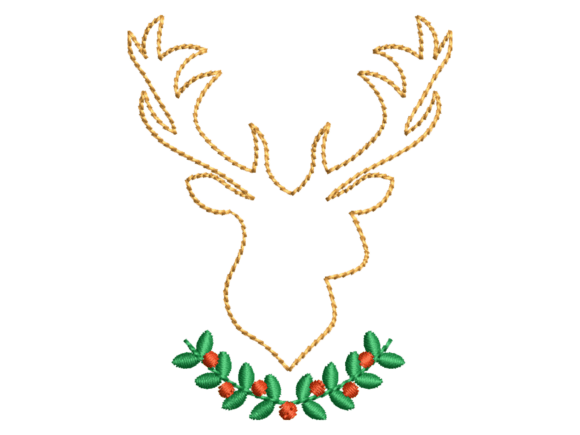
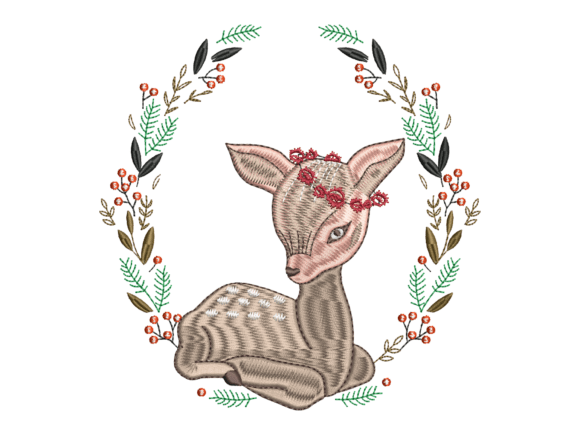
When I first opened this embroidery file, my immediate thought was that it’s a quiet, gentle piece. The Floral Baby Deer Wreath Embroidery doesn’t shout; it whispers a story of woodland charm. The central deer has a sweet, almost sleeping posture, nestled within a wreath of soft foliage and small flowers. The overall layout is balanced and open, avoiding a dense, overcrowded feel that can sometimes plague wreath motifs. This gives it a versatile visual personality—it’s clearly festive, leaning into that Christmas category, but the delicate flora and peaceful animal give it a year-round, nursery-friendly appeal too.
The Ideal Project Canvas for This Delicate Wreath
I picture this design stitched onto a cream-colored linen pillow cover for a nursery, or as the centerpiece on a baby’s keepsake blanket. The mood it creates is one of tender celebration, making it a natural fit for personalized gifts like holiday presents for new parents or a monogrammed bib. For small business owners and Etsy sellers, this translates well into boutique products. Imagine a simple, high-quality cotton tote bag with this embroidery—it immediately feels like a thoughtful, handmade product rather than a generic item. The design’s scale and detail level suggest it belongs on items where the embroidery is the main feature, not a tiny accent.
Where This Design Performs Brilliantly in Real Projects
In practical application, the Floral Baby Deer Wreath Embroidery shines on stable, light-colored fabrics. A custom sweatshirt in a soft heather gray, a canvas apron for a holiday market, or a tea towel as a Christmas kitchen gift are all perfect canvases. The open layout means stitch density should be manageable, preventing those stiff, board-like patches that can happen with overly filled designs. For apparel decorators, this is good news for comfort on wearables like t-shirts. The wreath frame also makes it a strong candidate for an embroidered patch; applied to a backpack or a cap, it would hold its shape and recognizability.
For digital product sellers and creative entrepreneurs using printable mockups, this design’s clean, illustrative style will create appealing previews for baby clothes or holiday decor listings. It adds value as a commercial embroidery design asset because its theme is popular and its execution feels professional, aiding in customer trust and engagement for craft businesses.
Navigating the Tricky Terrain: When to Use Caution
Every design has its ideal conditions, and this one requires some thoughtful placement. The delicate details, particularly the deer’s features and the smaller floral elements, could get lost or muddy on very textured fabrics like thick terry cloth or looped blankets. I would avoid stitching it onto dark fabrics without a thorough test; the subtle interplay within the wreath needs light contrast to show its layers.
Stretchy fabric or garments with lots of movement, like the side of a fitted cap, might distort the circular wreath if stabilization isn’t perfect. Similarly, very small hoop sizes could force a compromise, squeezing the design and compromising the clarity of those nice open spaces. For products destined for frequent washing, such as baby clothes, a robust stabilizer strategy is non-negotiable to maintain that handmade presentation over time. The design isn’t overly dense, but its decorative accents need clean stitching to retain their appeal.
How This Embroidery File Elevates Your Final Product
From a designer-reviewer’s standpoint, the real value of a machine embroidery design like this is in the finished product’s impact. This Floral Baby Deer Wreath Embroidery, when stitched well, boosts visual appeal through its balanced composition. It feels intentional and complete, which enhances product value and brand consistency for makers. Its giftability is high—it’s inherently personal and sweet. For a buyer, it evokes a sense of crafted care, which is exactly what engages customers in markets for handmade goods.
It also offers flexibility. While it’s categorized as Christmas embroidery, the baby deer and floral elements make it suitable for spring gifts or nursery decor, allowing small shop owners to extend its use beyond a single season. This versatility is a practical advantage for inventory and listing planning.
Practical Notes From the Hoop: Before You Stitch
My standard advice for any new embroidery file applies strongly here. Always run a test on scrap fabric of the same type you plan to use. This is crucial to check thread color contrast—you might find that a slightly different hue for the wreath greens makes the deer pop more. Review the stitch density in this test; it tells you if your machine handles the fills smoothly and if the fabric can support it.
Confirm the hoop size you’ll need by inspecting the design dimensions in your software. Pay close attention to the small details in the test: are the deer’s eyes clean? Do the tiny flower centers stitch out without becoming blobs? Also, test the design conceptually in black and white mockups, and compare how it might look on both light and dark fabric backgrounds if you plan to offer both. This informs your product photography and customer options.
Using proper stabilizer is paramount, especially for the intended applications like tote bags or apparel. Finally, a critical step for anyone in the craft business: check the licensing terms provided with the digital embroidery file. Confirm whether it’s cleared for commercial use, allowing you to sell the finished embroidered products, or if it’s for personal projects only. This due diligence protects your business and customer relationships.
In essence, the Floral Baby Deer Wreath Embroidery is a design with a gentle heart. It’s not a loud, graphic statement but a detailed, illustrative one. Its success in your embroidery project—whether for a custom apparel order, a holiday gift, or a new line in your Etsy shop—will hinge on matching its delicate nature with the right fabric, careful stabilization, and a clear understanding of its commercial permissions. When paired correctly, it’s a design that can stitch out a lot of quiet satisfaction for both the maker and the recipient.